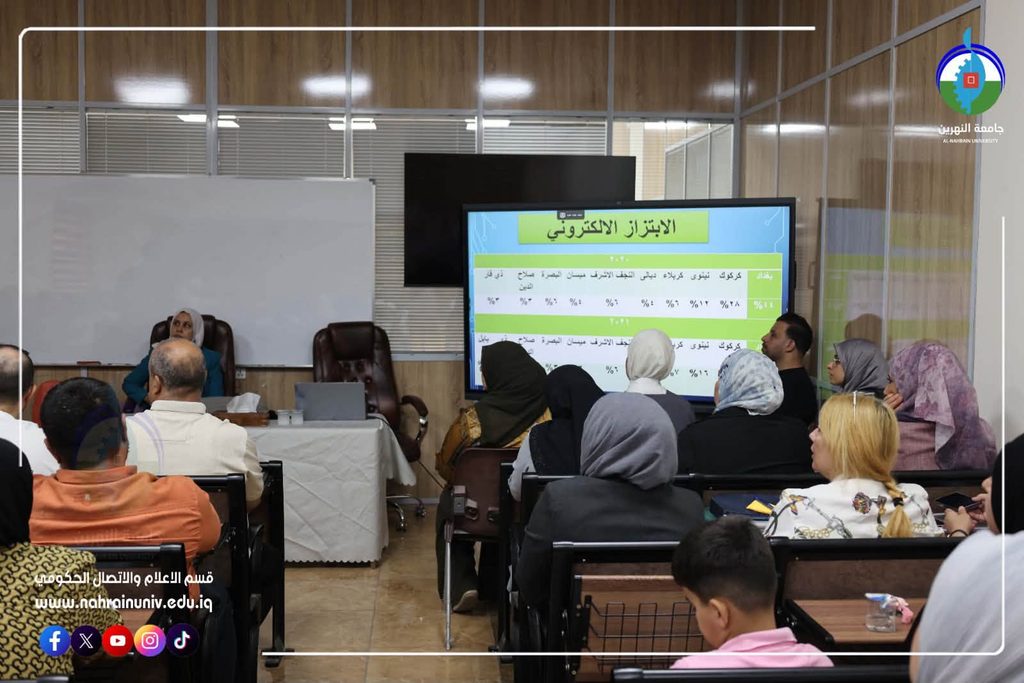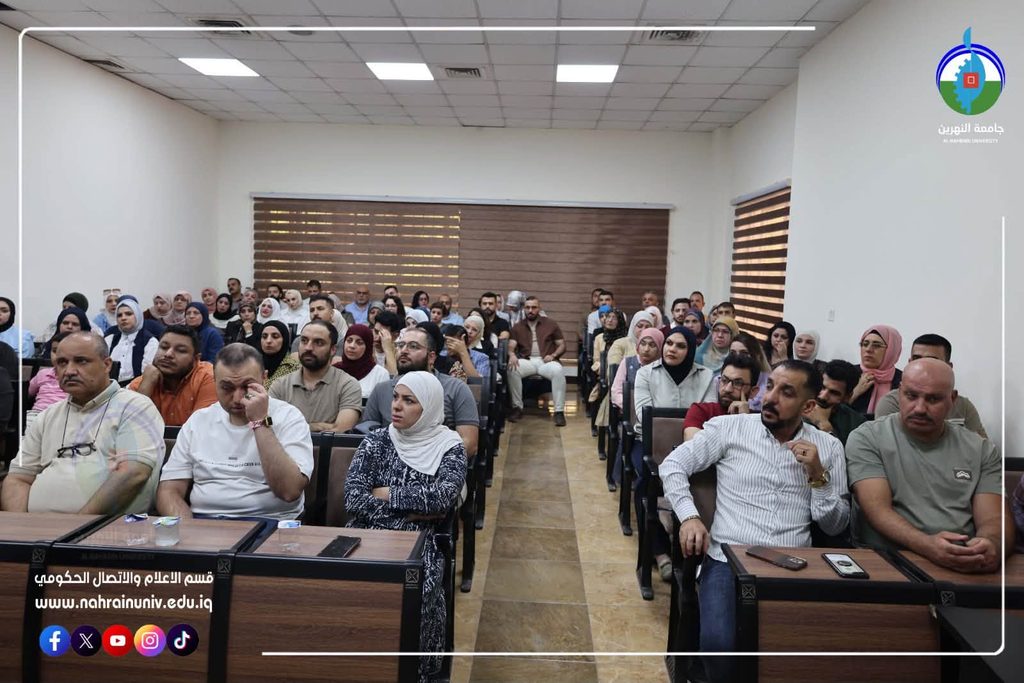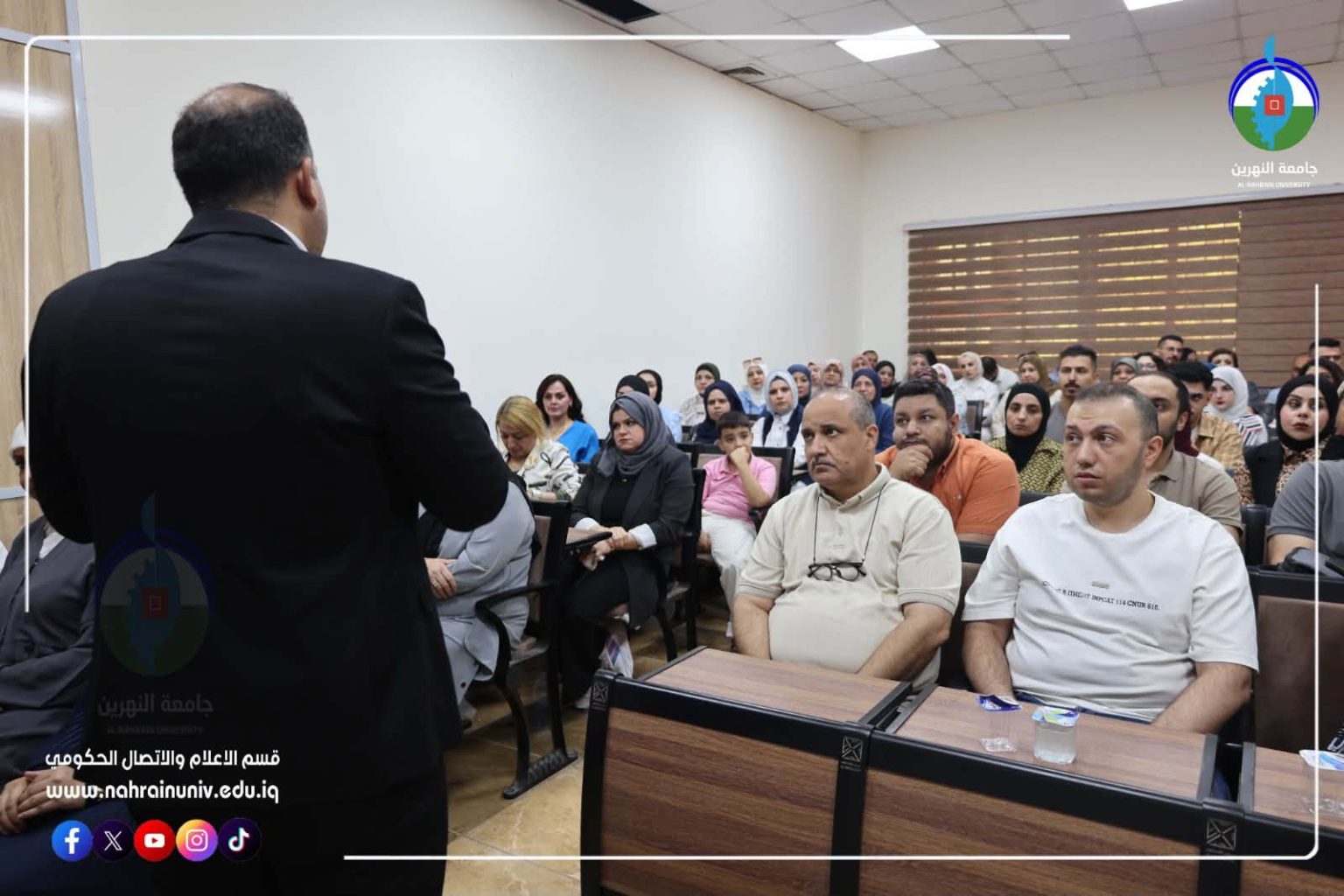
The Computer Center at Al-Nahrain University, in cooperation with the Iraqi National Security Service, organized an awareness lecture on the dangers of cyber blackmail and ways to prevent it. The lecture comes as part of efforts to enhance digital awareness among students and university staff, and to highlight the risks that cyberspace users may face.
The lecture covered the concept of cyber blackmail, its most common methods, and the tactics blackmailers use to lure their victims. It also highlighted the importance of protecting privacy and not sharing personal information, photos, or personal data with untrusted parties.
The lecturer outlined the main signs that may indicate an attempt at cyber blackmail, and explained the steps to follow if someone is targeted. These include not responding to the blackmailer’s demands or giving in to their threats, and keeping all related evidence, messages, and conversations rather than deleting them, as they are important in legal proceedings. Participants were also introduced to the relevant authorities where reports and complaints about cybercrimes can be submitted.
The lecture also offered a set of practical guidelines for securing personal accounts and protecting them from hacking and exploitation, including using strong, unique passwords, enabling multi-factor authentication whenever available, and being cautious with links, messages, and files from unknown sources.
The lecturer noted that digital awareness is the first line of defense against all forms of cybercrime. The lecture also stressed the importance of reporting blackmail cases early, not hesitating to seek help from the relevant authorities, and understanding the legal and preventive measures to follow in such situations.
For its part, the Computer Center affirmed its commitment to organizing programs and events that help spread a culture of cybersecurity across the university community.
Translated by : Lubna Adel Hamed